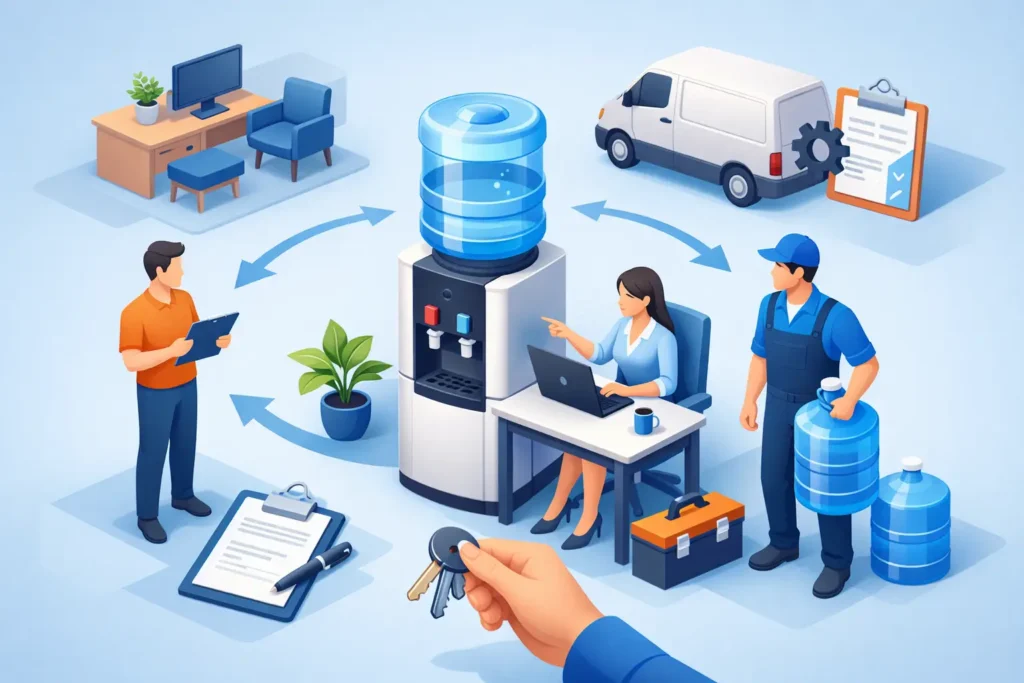
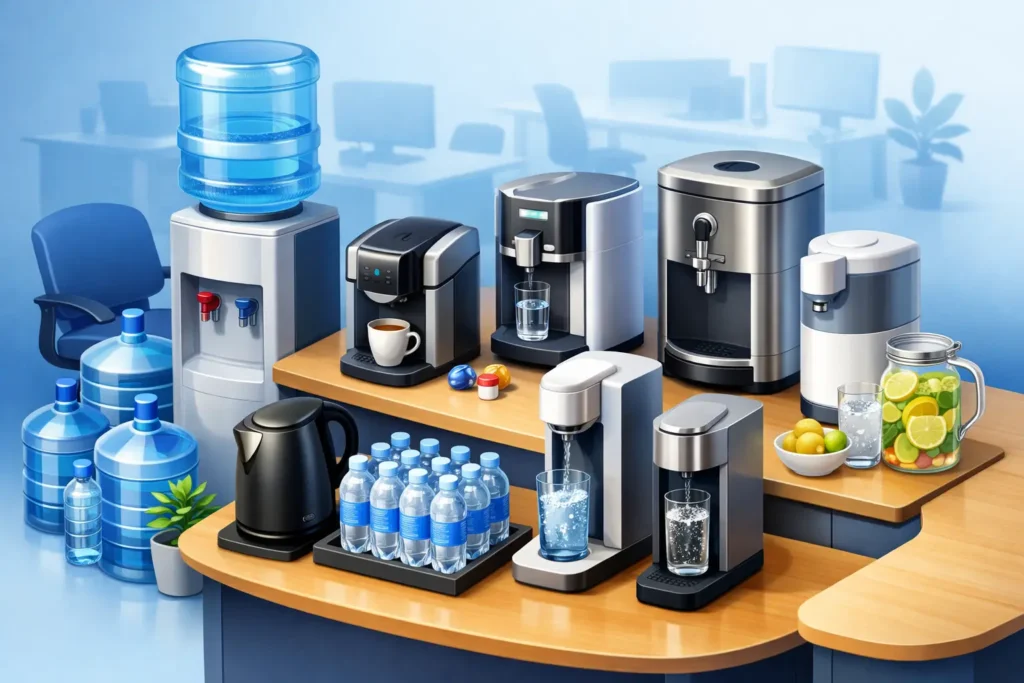
A water delivery schedule can solve an immediate problem: you need drinking water, and you need it without another trip to the store. But for many households and small offices, the real question is not whether bottled water is convenient. It is whether lifting, storing, tracking, and reordering bottles is still the most practical way to keep safe, good-tasting water available every day.
The right answer depends on your space, water use, budget, and preference for ongoing service. Water delivery remains useful in certain situations. A direct-pipe water dispenser, however, can be a simpler long-term option for people who want filtered hot, cold, or room-temperature water without waiting for the next bottle delivery.
When Water Delivery Makes Sense
Water delivery works well when a property does not have a suitable plumbing point near the intended dispenser location. It can also be a practical short-term choice for temporary offices, event spaces, or households that move frequently and do not want an installed system.
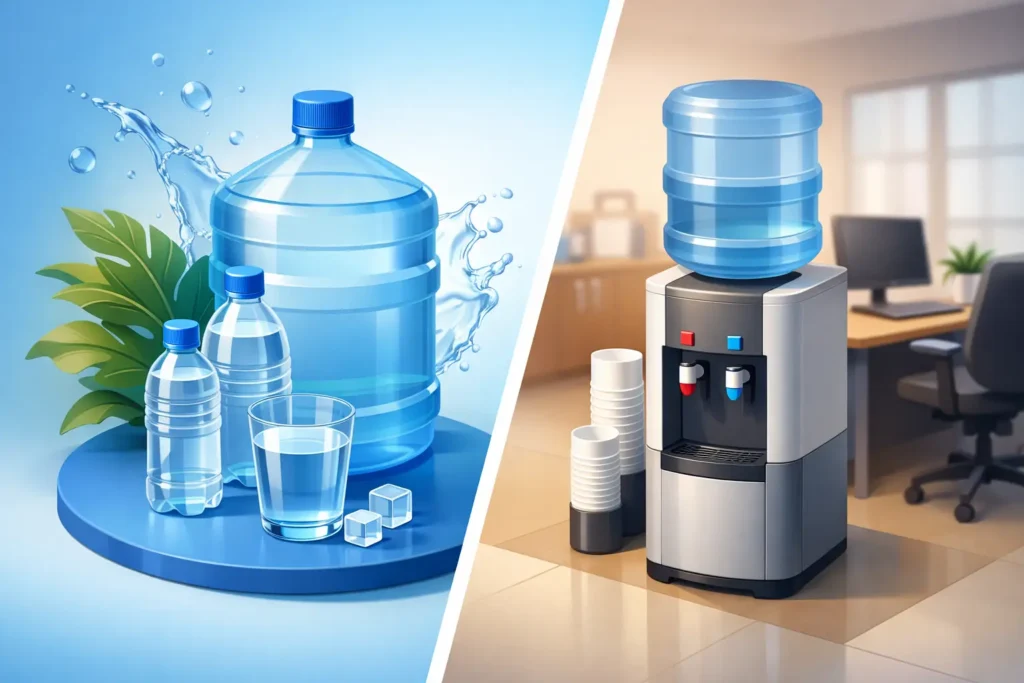
For low water use, bottle delivery may feel straightforward. You place an order, receive sealed bottles, and use them as needed. There is no installation process, and the dispenser can often be placed where it is most convenient.
That said, convenience can change as usage increases. A family that drinks water throughout the day, prepares infant formula, makes coffee and tea, or fills reusable bottles before leaving home may go through bottles faster than expected. A small office can face the same issue when employees and visitors rely on a shared dispenser.
Once bottles become part of the weekly routine, the hidden work becomes more noticeable: making sure someone is present for delivery, finding floor space for full bottles, keeping empty bottles aside, and avoiding the moment when the last bottle runs out.
The Everyday Limits of Bottled Water Delivery
A large water bottle is not difficult to use once. It is difficult to manage repeatedly. Many people do not consider the practical side until they are carrying a bottle up apartment stairs, trying to fit several bottles into a kitchen corner, or changing one during a busy workday.
There is also the issue of predictability. If your household’s usage changes because guests are staying over, children are home from school, or the weather is hot, your planned supply may no longer be enough. Ordering extra bottles can help, but it adds another task to an already busy schedule.
Storage matters more in compact homes and offices. Full bottles require a clean, stable area away from direct heat. Empty bottles take up space too. For apartment residents and businesses with limited pantry or utility space, removing that storage requirement can make the room feel more organized.
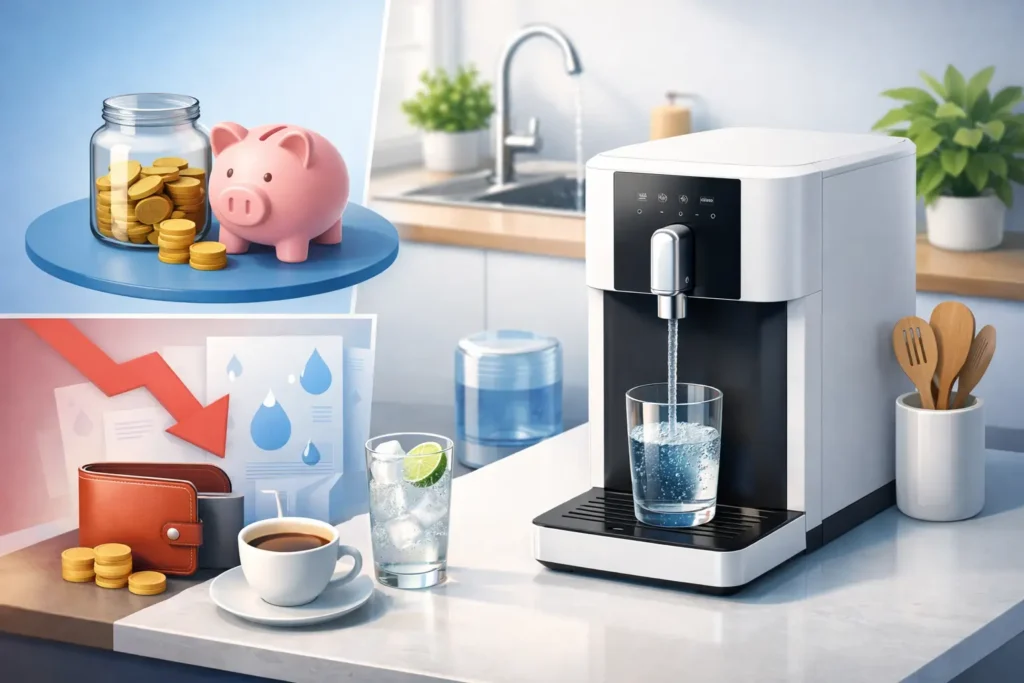
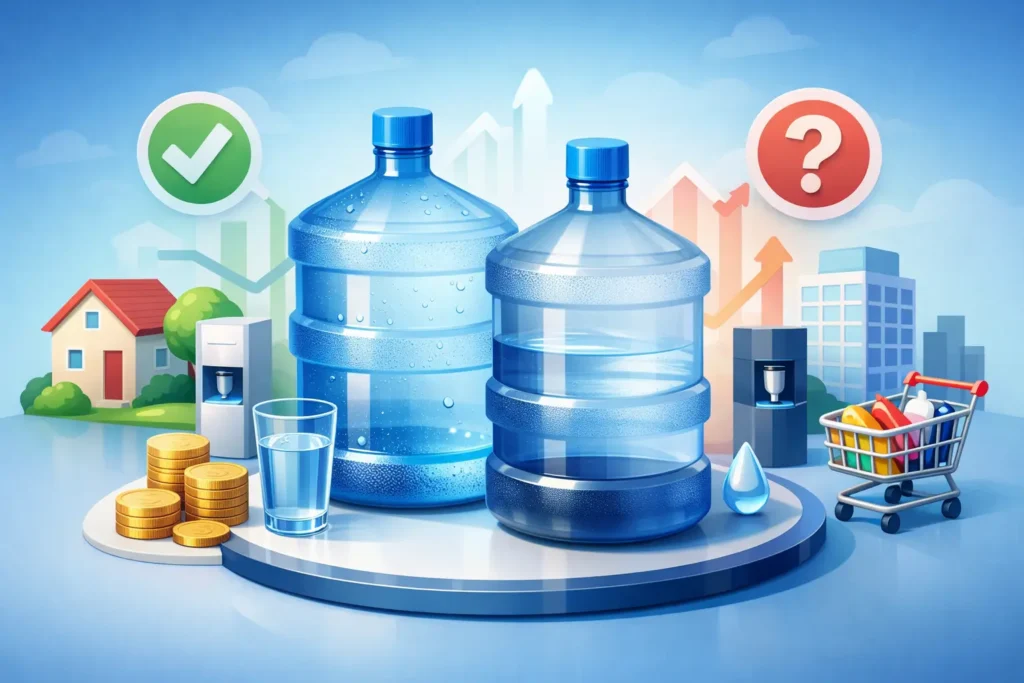
Cost should be compared over time, not only per bottle. The monthly total for delivered water can rise with higher consumption, delivery charges, dispenser rental, and occasional extra orders. It is worth looking at what you spend across several months, especially if bottled water is your main drinking-water source.
Water Delivery vs. Direct-Pipe Water Dispensers
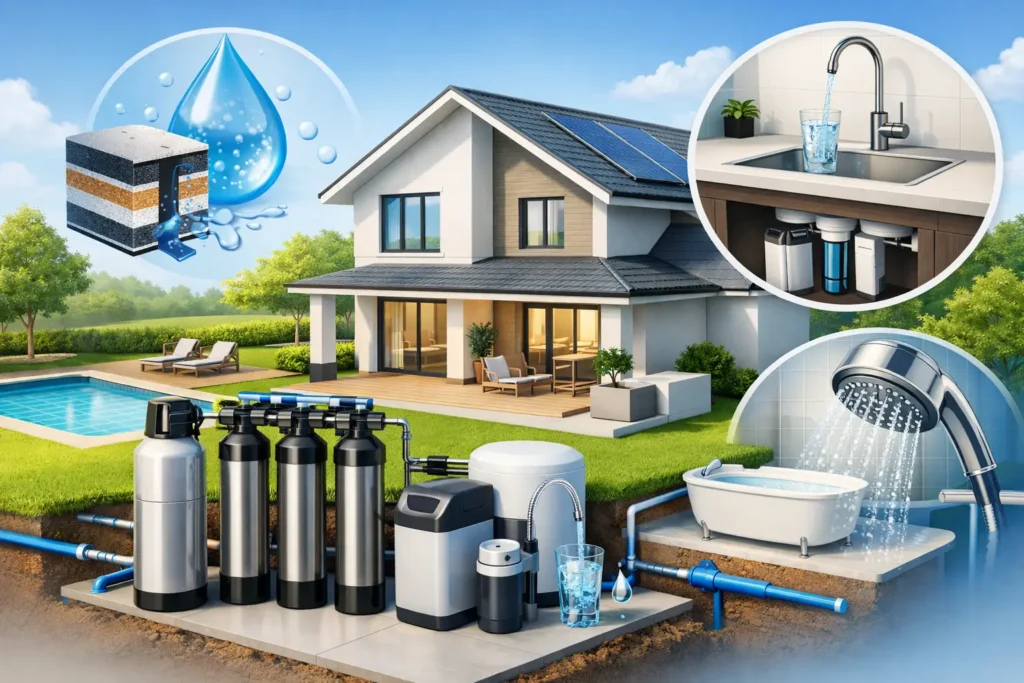
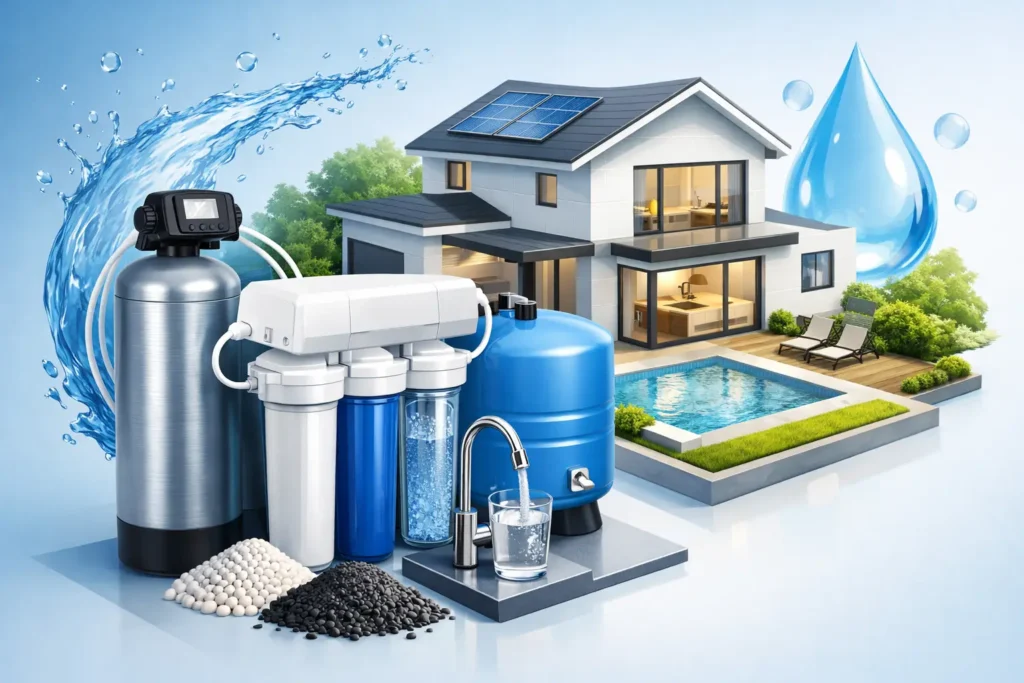
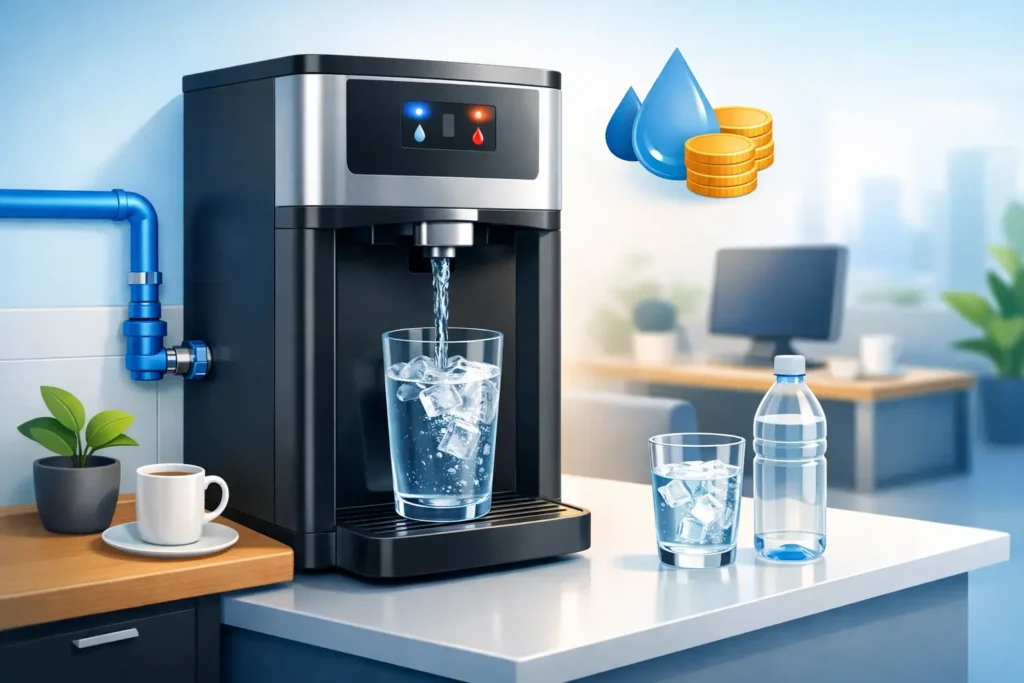
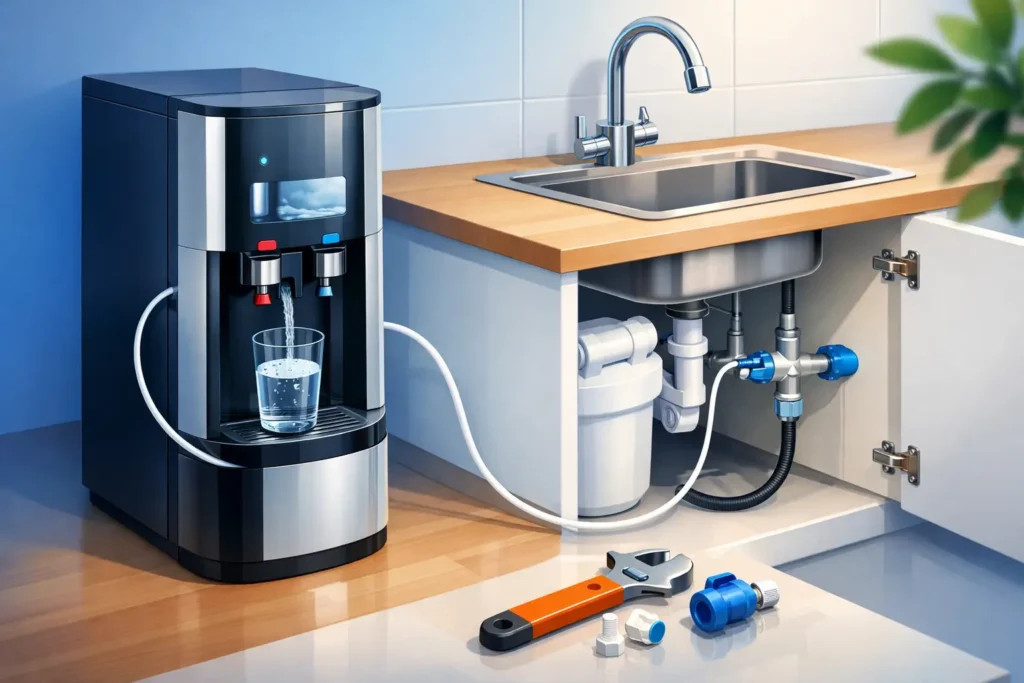
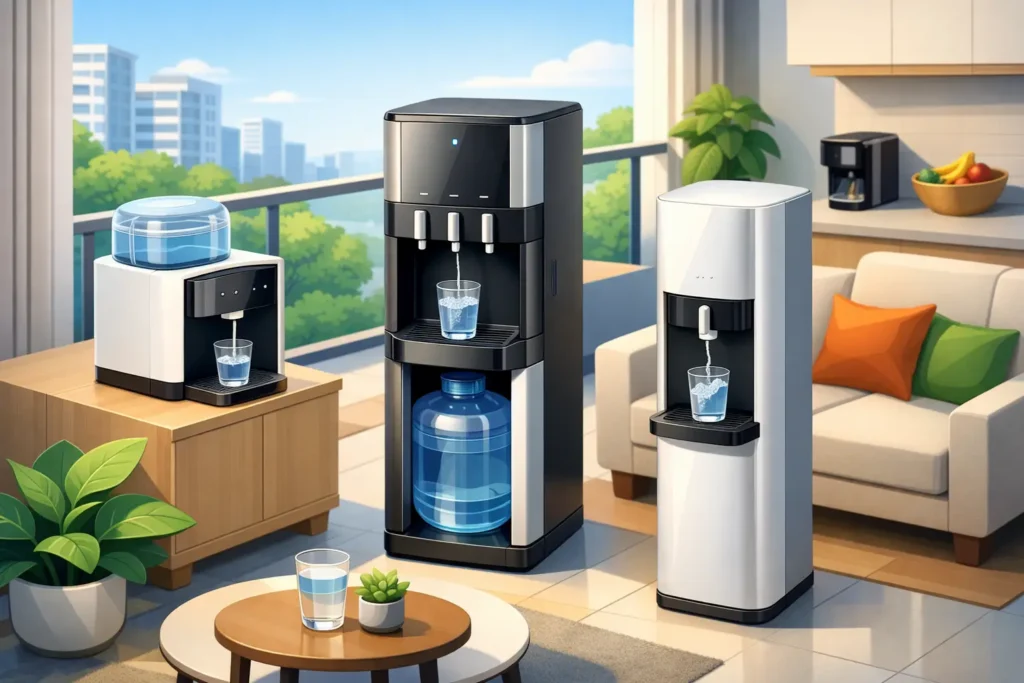
A direct-pipe dispenser connects to your water supply and filters water at the point of use. Instead of relying on a bottle inventory, you have drinking water available whenever you need it. Depending on the model, that can include cold water for a quick drink, hot water for coffee or tea, and room-temperature water for daily use.
The main advantage is consistency. You do not need to estimate how many bottles your household or office will consume. You do not need to wait for a delivery window. You also avoid the physical effort of replacing heavy bottles.
For many users, this makes the dispenser part of the kitchen or office routine rather than another item to manage. Fill a glass, refill a bottle, prepare a hot drink, and continue with your day.
There are trade-offs. A direct-pipe system needs a suitable location near a water connection and requires professional installation. It also needs scheduled filter maintenance to keep the system performing as intended. This is why choosing a provider that can recommend the right setup, install it properly, and support ongoing servicing matters as much as choosing the dispenser itself.
How to Choose the Right Option for Your Property
Start with usage rather than product features. Count how many people use drinking water at the property and consider how often they refill bottles, make hot drinks, cook with filtered water, or serve guests. A one- or two-person household may have different needs from a family of five or an office with ten employees.
Next, consider the available space. If bottle storage is already inconvenient, a direct-pipe dispenser may immediately solve a daily frustration. If you rent your property or have limited access to plumbing, ask whether installation is suitable for your unit before deciding.
Temperature settings are another practical consideration. Cold water can be useful in Malaysia’s warm weather, while hot water saves time for coffee, tea, and instant meals. Some users only need room-temperature filtered water, so there is no reason to pay for features that will rarely be used.
Finally, look at service terms. A water solution should be easy to live with after installation, not just easy to buy. Clarify who handles filter replacement, what maintenance is included, how service requests are made, and what happens if the unit needs attention. Rental plans can be useful for customers who prefer a predictable monthly arrangement and ongoing support instead of a larger upfront purchase.
What to Ask Before You Arrange a Water Solution
Before choosing water delivery or a direct-pipe unit, get clear answers to a few practical questions. Ask whether your intended installation area has access to a suitable water source and power outlet. Confirm the unit’s dimensions so it fits comfortably under cabinets, on a countertop, or in the selected office area.
Ask about the filtration system and maintenance schedule in plain terms. You do not need a technical lecture. You need to know what the filters are designed to do, when they are replaced, and whether service is arranged for you. If children or older family members will use the unit, ask about safety features for hot water as well.
For offices, consider peak use periods. A compact dispenser may be enough for a small team, while a busier workplace needs a system that can keep up during morning coffee runs and afternoon refills. The best option is the one that fits actual usage without creating queues, frequent refills, or unnecessary expense.
A More Reliable Way to Keep Drinking Water Ready
Bottled water delivery can still be the right solution when installation is not possible or water use is limited. But if bottles are taking up space, running out unexpectedly, or creating a recurring task for your family or staff, a direct-pipe dispenser deserves a closer look.
Waterboy provides practical drinking-water options for homes and small offices, including direct-pipe dispensers, packaged water solutions, and rental arrangements. For customers in Kuala Lumpur and Selangor, the value is simple: choose a setup that fits your space, let the system be installed properly, and have a clear point of contact when service is needed.
The best drinking-water setup is not necessarily the one with the most features. It is the one that makes it easier for everyone in your home or workplace to drink clean water without having to think about the next bottle.